Walk into many beer shops or grocery stores these days, and you'll notice a fascinating shift on the shelves and in the coolers. Ready-to-drink (RTD) cocktails are no longer confined to liquor sections but are increasingly sprawled alongside craft beer. This begs the question: Are RTD cocktails replacing craft beer, or are they simply broadening the choices for drinkers? As someone who's spent over a decade behind beer retail counters and now writes about drinks trends, I've got a few observations—backed by data and on-the-ground retail realities—that can shed light on this evolving landscape.
RTD Cocktails vs Craft Beer: Understanding the Current Landscape
According to NielsenIQ, RTD cocktails have experienced explosive growth over the past few years, with sales far outpacing many traditional segments in alcoholic beverages. Meanwhile, craft beer continues to hold a significant, loyal customer base, buoyed by innovation and a strong local following. But that growth of RTDs is starting to intersect with the beer aisle more than ever before.
RTDs Moving Into Beer Retail Spaces
Historically, RTDs were primarily stocked in liquor stores or dedicated cocktail sections. However, with consumer demand for convenience and innovation, many retailers, including independent craft beer-focused shops, are placing RTDs in the beer aisle. This placement capitalizes on crossover drinkers—consumers who enjoy both craft beer and cocktails—who appreciate discovering new options in one convenient location.
The strategic placement also leverages occasion-based merchandising: shoppers picking up beer for cookouts, parties, or casual drinks with friends now see RTDs positioned side-by-side as convenient alternatives. This means RTD brands need to meet higher expectations around balance and ingredient quality to compete for shelf space and eye-level real estate in beer aisles.
Occasion-Based Merchandising: The Key to Crossover Appeal
One trend that retail teams and brands are embracing is the concept of occasion-based merchandising. It's a retail strategy focused on aligning products with specific drinking occasions—from outdoor gatherings to relaxing at home after work.
- Portable and Convenient: RTD cocktails excel here, with their single-serve cans and ready-to-drink nature appealing to consumers wanting no-fuss beverages. This is especially attractive for on-the-go moments, where carrying a six-pack of craft beer or cocktail ingredients feels cumbersome. Premiumization: As highlighted by The Liquor Bros Buyer’s Guide, today's best RTDs avoid the sugary, overly sweet profiles that turned off many early adopters. Instead, they approach drinks crafting with a similar reverence to quality ingredients, balanced flavor profiles, and sophistication that craft beer fans respect.
For retailers, merchandising RTDs alongside craft beer—rather than segregating them by category—makes sense to meet the needs of diverse taste preferences and drinking occasions.
Convenience and Portability: Catering to the Modern Consumer
One of the clearest reasons RTDs are staking space in beer aisles is sheer convenience. Twenty years ago, if you wanted a mixed drink, you'd buy the liquor plus mixers separately. Now, RTDs put crafted, balanced cocktails in easy-to-chill cans. For many drinkers, grabbing an RTD is simply faster and less complicated than buying ingredients for a cocktail or even seeking out a craft beer with a particular profile.
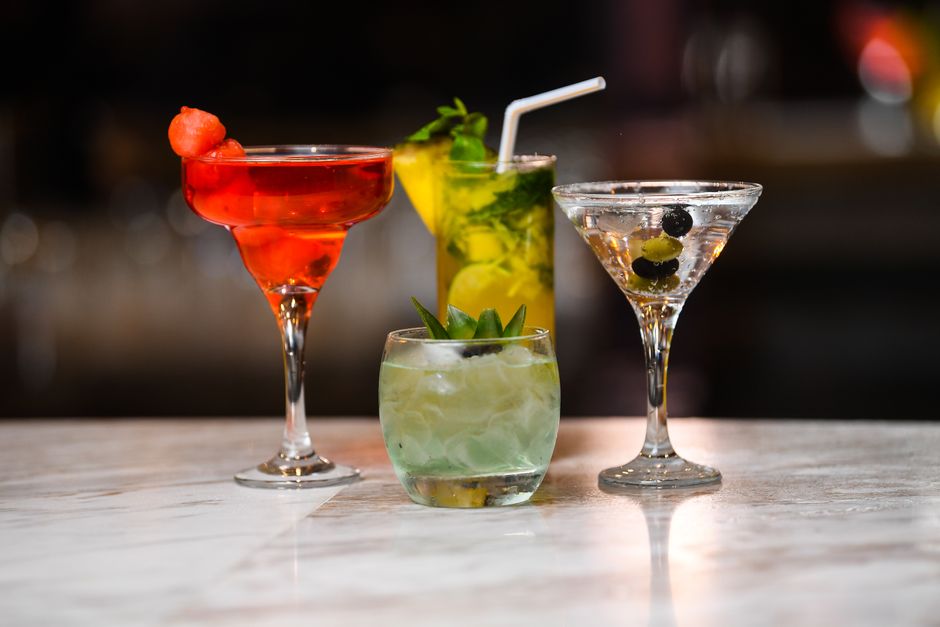
In my retail days, I noticed that convenience-driven customers often gravitated toward the RTD section—when it existed. Placing these drink options in the beer cooler acknowledges that portability and minimal prep are selling points just as important as traditional beer attributes.
Premiumization and Better Ingredients: Raising the Bar for RTDs
A decade ago, RTD cocktails were often syrupy, overly sweet, and sometimes downright disappointing compared to fresh-made cocktails or carefully brewed beers. This perception contributed heavily to a divide between craft beer enthusiasts and cocktail fans.
But premiumization is transforming that narrative:
- Brands are now focusing on real spirits, fresh juices, natural botanicals, and reducing added sugars. Some producers are collaborating with renowned bartenders or distillers to craft balanced, thoughtful RTD cocktails. Packaging innovations emphasize transparency, quality, and sophisticated branding that resonates with craft drinker sensibilities.
These improvements mean RTDs are more than just grab-and-go sweet drinks—they’re options worthy of discovery for people who appreciate complexity, balance, and authenticity.
The Reality: RTDs Are Adding Options, Not Replacing Craft Beer
Industry data from NielsenIQ supports that RTDs are expanding the overall alcoholic beverage category rather than cannibalizing craft beer sales. Growth rates for RTDs and craft beer are not perfectly inverse; in many markets, both are performing well, driven by different consumer motivations and moments.
The American Craft Beer association continues to promote the value of craftsmanship, local brewing, and the cultural significance of beer, which remains strong despite new RTD competition. What we see rather is a marketplace where:
RTD cocktails cater to convenience-driven, occasion-focused moments where portability is king. Craft beer often holds its ground with flavor complexity, variety in styles, and loyal community connections. Crossover drinkers enjoy both categories and want easy access to seamless choices that suit their mood and setting.This coexistence allows retailers and brands to broaden their shelves’ appeal and connect with more consumers without forcing one category to displace the other.

How Retailers Can Navigate Beer Aisle Trends
For store owners and managers wondering how to merchandise these categories to maximize value, here are some tips gleaned from working in beer retail and consulting resources like The Liquor Bros Buyer’s Guide:
- Mix and Match Displays: Combine RTDs and craft beer in seasonal or occasion-based displays. For example, a summer outdoor grilling display can include light IPAs, hard seltzers, and canned margaritas. Highlight Quality and Transparency: Educate staff and shoppers about the ingredient quality and flavor profiles behind premium RTDs and craft beers alike to dispel lazy assumptions about syrupy or overly sweet drinks. Leverage Data and Feedback: Use sales data from NielsenIQ and buyer guides to identify the fastest-growing brands and categories. Monitor which RTDs and craft beers appeal to your local customer base. Encourage Sampling: Whenever possible, offer tastings or informational sessions that bring forward the craftsmanship in both RTDs and craft beer to convert curious skeptics into repeat buyers.
Conclusion: More Choices for a Diverse Drinking Culture
RTD cocktails are not the enemy of craft beer—they’re part of a larger evolution in how people enjoy adult beverages. From a retail floor perspective, this means leaning into occasion-based shopping, welcoming crossover drinkers, and focusing on quality and convenience.
As NielsenIQ and trade guides like The Liquor Bros Buyer’s Guide show, the future of beverage retail is less about category replacement and more about category expansion and intelligent cross-merchandising.
So, whether you're a craft beer purist or a cocktail canned old fashioned enthusiast—or both—there’s plenty to celebrate in how RTDs and craft beers are reshaping the beer aisle and drink shelves everywhere.