If you’ve ever stepped into a liquor store or a bar and felt overwhelmed by the sprawling shelves of bourbon bottles, you’re not alone. The quest for the “best bourbon” is often talked about with near-religious fervor. But is there really a single best bourbon that suits everyone? Spoiler alert: no. And that’s perfectly okay.
The Best Bourbon Myth: Why One Size Won't Fit All
When people ask for my bourbon recommendations, my first question is always: “Neat, on the rocks, or cocktail?” Because how you drink it can hugely affect your experience and preference. But beyond serving style, there’s a bigger truth – bourbon preferences are deeply personal. The idea of a universal “best bourbon” is more a marketing dream than reality.
People’s palates differ wildly. What one person feels is a heavenly balance of flavors might strike another as too sweet, too hot, or too oaky. The concept of “best” becomes slippery when you realize it depends on your own taste, mood, and even the occasion.
Mapping Bourbon Flavor Profiles: More Than Just Sweet and Woody
One of the most helpful ways to navigate bourbon preferences is to think in terms of flavor profiles. Imagine this as a map where each bourbon can be plotted along axes of sweetness, spiciness, fruitiness, oakiness, and even dessert-like notes.
- Sweet: Commonly vanilla and caramel flavors, sometimes with honey or maple hints. Spicy: Rye influence tends to add pepper, cinnamon, and clove notes. A rye-heavy mash bill usually drives this. Fruity: Think cherries, apple, or citrus zest—comes from yeast fermentation and barrel aging. Oaky: Toasted, smoky, woody character, often more pronounced in longer-aged bourbons. Dessert-like: Notes resembling chocolate, butterscotch, or even pie crust can emerge with some bourbons.
It’s not just about listing these flavors, but how they work together, which really shapes your bourbon experience. For instance, a sweeter bourbon with low rye might come across as mellow and crowd-pleasing. Meanwhile, a high-rye bourbon will tickle your spice receptors and appeal to those looking for a kick.
Table: Example Flavor Mapping of Popular Bourbon Styles
Bourbon Style Typical Sweetness Spiciness Fruity Notes Oakiness Dessert-Like Hints High-Rye Bourbon Medium High Medium Medium Low Wheated Bourbon High Low Medium Medium High Classic Corn-Heavy High Medium Low Medium Medium Extended Barrel Age Variable Medium High High MediumProof and the Perceived Heat vs Intensity
If you’ve ever winced from a harsh burn in a bourbon, you were feeling the effect of proof, i.e., alcohol content. But proof isn’t about better or worse; it’s like a volume knob for bourbon flavor and heat.
Higher proof bourbons often have more intense flavors, but they bring more alcohol "heat" that can overpower subtle notes for some drinkers. Adding a few drops of water can help dial down the heat and unlock sweetness or spice that was bottled up.
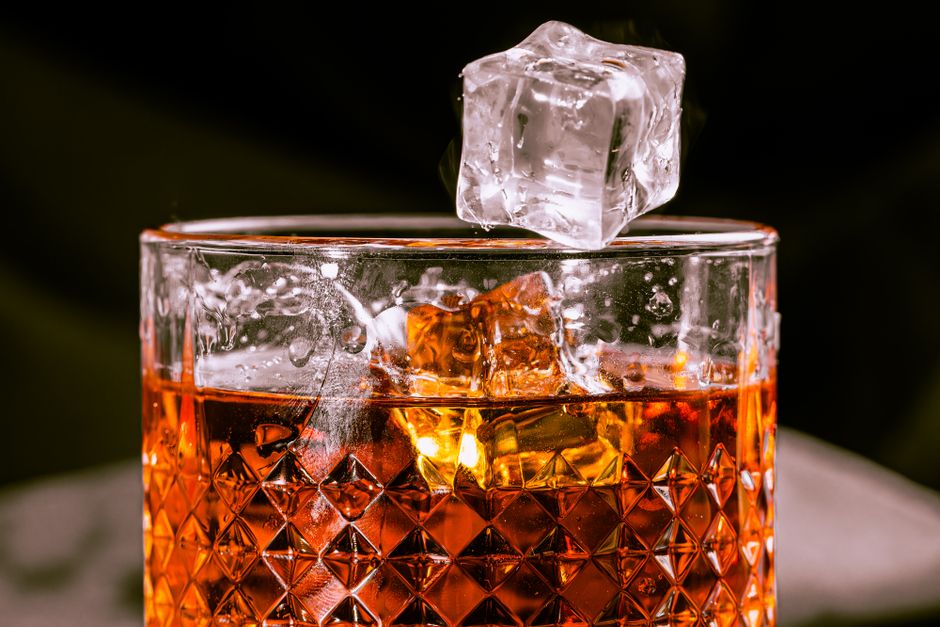
For example, a cask-strength bourbon might come at 120 proof or higher, delivering a fiery punch. Some people love this intensity and savor it neat as a form of spirit meditation. Others prefer something milder around 90-100 proof, which can feel smoother and easier to sip for casual enjoyment.
The Mash Bill’s Impact: The Secret Recipe Behind Flavor and Texture
The mash bill—the percentage of corn, rye, wheat, and malted barley in the grain recipe—fundamentally shapes bourbon’s personality.
- Corn must be at least 51% for bourbon, and a heavy corn content tends to lend sweetness and a fuller body. This is why some bourbons feel like a vanilla-caraway dessert in a glass. Rye adds spice and complexity—peppery, herbal, and a bit fiery. High-rye bourbons satisfy those looking for that lively edge. Wheat creates a softer, rounder texture. Wheated bourbons like Maker’s Mark lean into plush, dessert-like mouthfeel over sharpness. Malted Barley usually stays low but helps with fermentation and adds subtle nutty or biscuity notes.
Knowing your mash bill preferences helps you understand https://porchdrinking.com/best-bourbon-for-your-taste-guide/ why you keep reaching for a certain bourbon or why others don’t work as well for your palate.
Personal Taste Is King: Embrace Your Own Bourbon Preferences
So, what is the takeaway from all this bourbon dissection? It’s simple: personal taste reigns supreme. The best bourbon for you is the one that suits your palate, mood, and enjoyment style. Don’t let the hype or expert scores pressure you into thinking there’s a single “best” bottle you must try.
If you’re just starting your bourbon journey, consider these tips:
Decide how you like to drink bourbon (neat, on rocks, cocktail) and use that as your starting point. Explore different flavor profiles—try a high-rye bourbon for spice, then a wheated bourbon for softness. Play with proof by adding a drop or two of water to see how it transforms your pour. Keep tasting notes in a notebook or app to track what you like and don’t like. For example, I always jot “vanilla, toasted oak, dark fruit” when something clicks.Remember that everyone’s palate is unique, influenced by genetics, experience, and even your current mood or food pairing.
Join the Conversation and Share Your Best Bourbon Finds!
What’s your favorite bourbon, and why? Do you swear by a high-rye kick or a smooth wheated pour? Share your thoughts and expand the bourbon discussion by tossing this post on your social feeds:
Share on Facebook | Share on X (Twitter)
Final Thoughts
The search for the “best bourbon” isn’t about finding a single bottle that everyone agrees on. It’s about discovering what suits your unique taste buds and appreciating the rich tapestry of flavors bourbon offers. Embrace experimentation, learn your preferences, and enjoy the journey—because the “best” bourbon is the one you love sipping.
